
How Much Does a Construction 3D Printer Cost in 2026?
If you are considering a construction 3D printer, the first question is usually the price — and the honest answer is that it depends more on the platform type and what’s included in the package than on any single number. Here’s what the market actually looks like in 2026.
The short answer: roughly $180,000 to well over $1 million
Public market data puts basic construction 3D printing systems at around $180,000, with advanced large-scale robotic arm systems going well over $1 million (Accio market overview). One 2026 market research report puts the average unit price across the industry at approximately $250,000 (MarketPublishers).
To give a concrete example from the top end: ICON’s Titan robotic construction platform, opened to outside builders in 2026, carries a price tag of nearly $900,000 plus additional fees.
Price by platform type
Construction 3D printers generally fall into three platform families, and the type is the biggest single driver of cost:
Robotic arm / mobile platforms. The most flexible option — multi-axis arms that handle complex geometries and tight sites. Entry-level robotic arm printers start from approximately €49,000, according to supplier data. Full-scale construction robotic systems run far higher, into the high six figures and beyond.
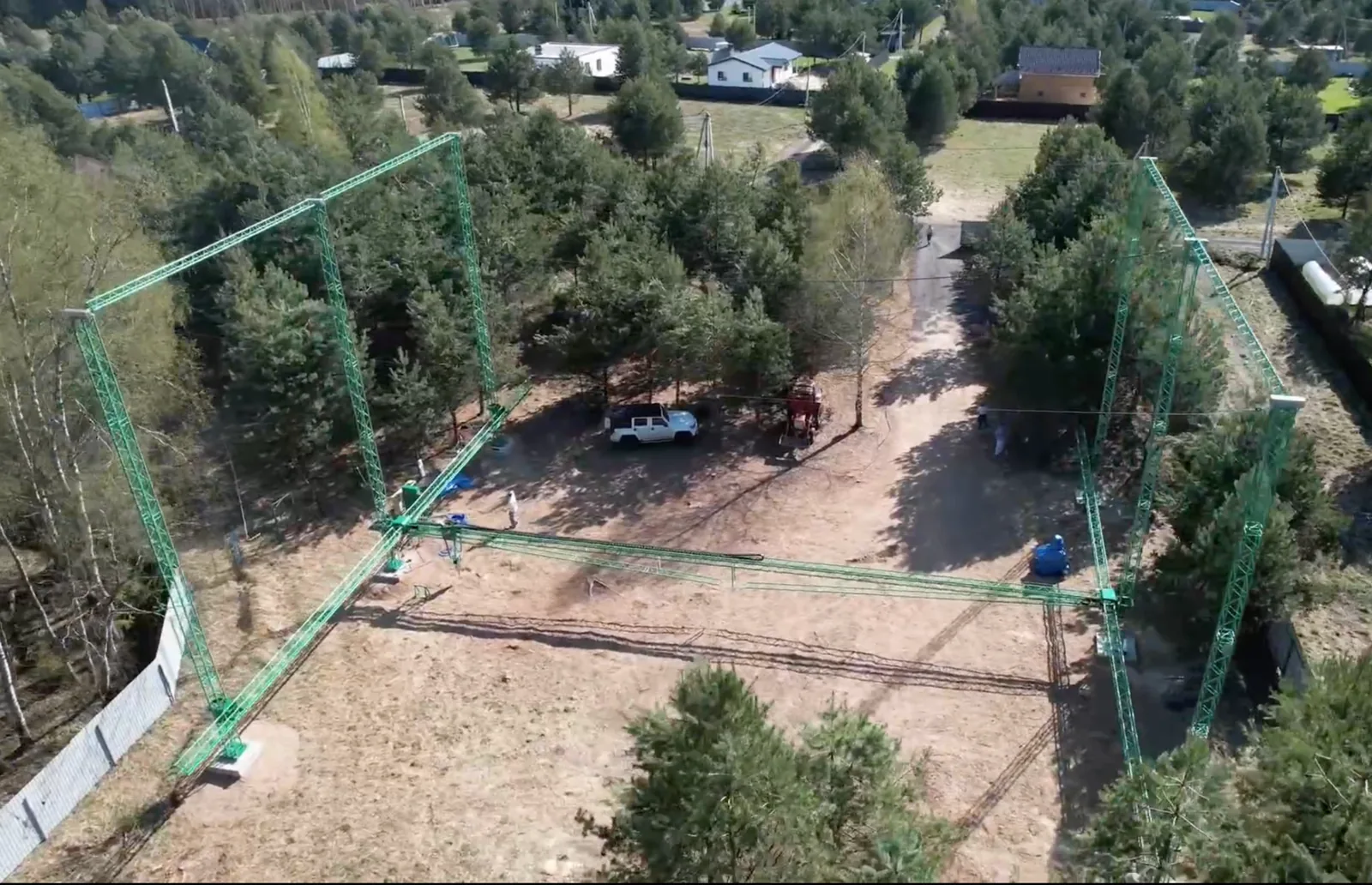
Gantry systems. Cartesian gantries that print walls and large structures directly on prepared foundations. Basic gantry-type systems sit in the lower to mid-range of the market; large gantry systems exceed €485,000.
Factory / fixed installations. Stationary systems for controlled prefabrication environments. Pricing is highly configuration-dependent and usually quoted per project.
The printer is only part of the package
A number that surprises many first-time buyers: the printer itself is rarely the whole investment. A working setup typically also needs material mixing and pumping equipment, control software, and operator training — reputable manufacturers usually include 1–2 weeks of training and a standard one-year warranty.
This is why comparing headline printer prices alone is misleading. Two quotes can differ by hundreds of thousands of dollars while describing nearly the same machine — the difference is what comes with it: software licenses, material systems, spare parts, installation support, and ongoing technical consultation.
What actually drives the price
- Build volume — the printable envelope (height, width, length) is the most direct cost driver.
- Platform type — robotic arms cost more than gantries of similar size, but deploy faster and handle complex sites.
- Level of automation — synchronized multi-printer setups, automated material handling, and advanced software add cost and capability together.
- Materials compatibility — systems supporting a wider range of mixes and additives need more sophisticated extrusion and control.
- Support package — training, certification, warranty terms, and response-time guarantees.
The other side of the equation: what printing costs
For context on the return side: printing just the walls and floor structure of a house typically runs $10,000–$35,000, while a fully finished 3D-printed house — plumbing, electrical, roofing, windows, finishes — ranges from $150,000 to $500,000+ depending on size, design, and location.
How AMTG approaches pricing
AMTG organizes its printers in three platform families — the R-Series (road-mobile and tracked robotic platforms), the G-Series (large-scale gantry systems), and the F-Series (factory production systems) — because there is no single best printer for every application. The right configuration depends on your required work envelope, deployment method, materials, and target production rate.
Rather than publishing a one-size-fits-all price list, we configure each package around the project: tell us what you plan to print, the required dimensions, location, material constraints, and target production rate, and we’ll put together a complete equipment and support package with transparent pricing.
Contact AMTG for a configured quote
Basic systems start around $180,000; advanced large-scale robotic systems exceed $1 million. The industry average is approximately $250,000 per unit.
Entry-level robotic arm printers start from about €49,000, while basic gantry systems begin around $180,000. The final cost depends heavily on build volume and included equipment.
It should — but not always. Reputable manufacturers include operator training (typically 1–2 weeks), control software, and at least a one-year warranty. Always check what’s in the package before comparing prices.
Printing the walls and floor structure typically costs $10,000–$35,000. A fully finished house ranges from $150,000 to $500,000+.