
3D Printing for Hurricane Recovery: Rebuilding Homes Faster in Florida and the Caribbean
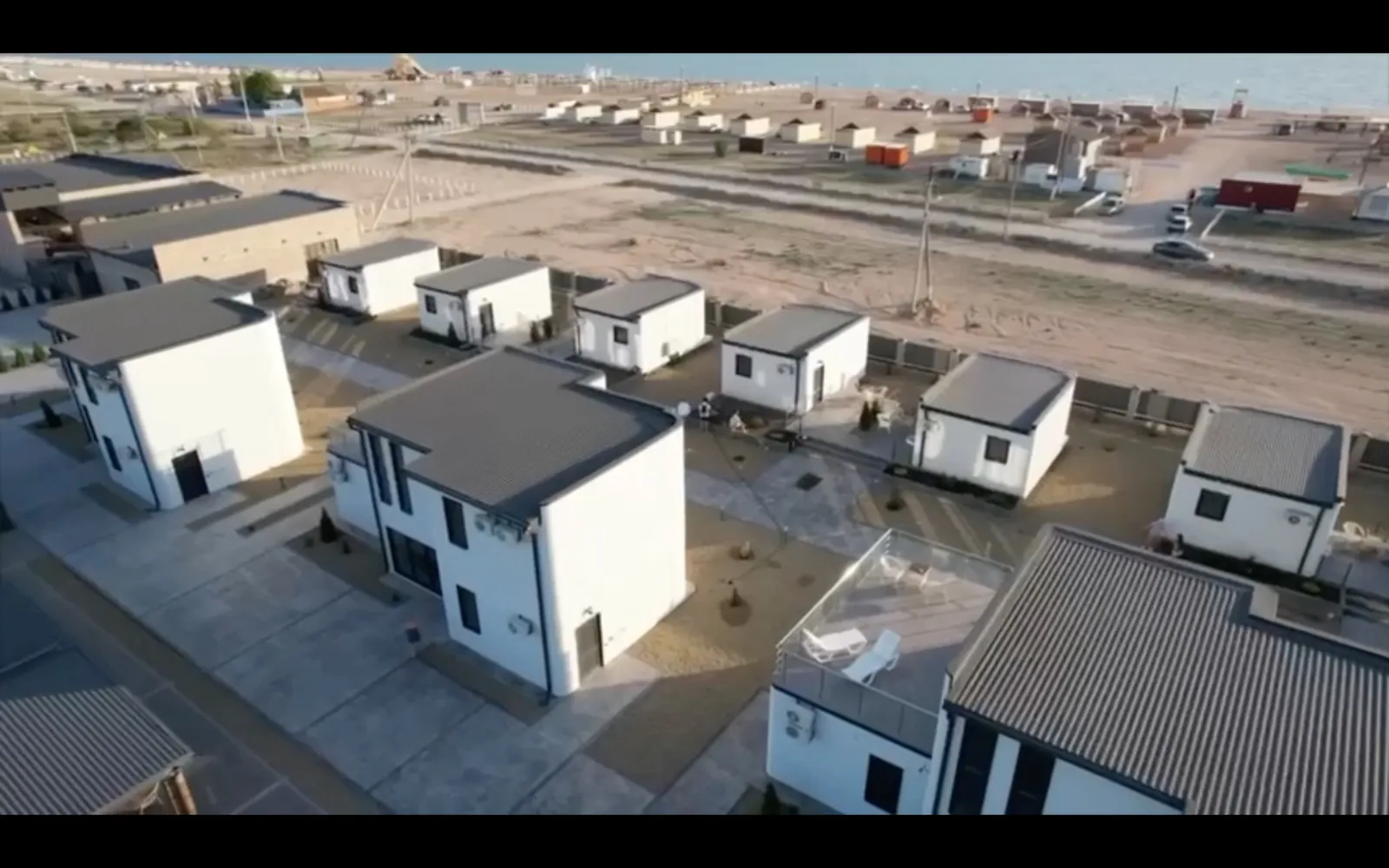
Every hurricane season, the same images come out of Florida and the Caribbean: roofs peeled off, streets flooded, entire neighborhoods reduced to debris. The storm itself lasts hours. The recovery lasts years. Families wait months for insurance payouts, then months more for a contractor crew to become available, then watch material prices spike while regional supply chains strain under sudden demand. In many island communities the wait stretches even longer — materials arrive by barge, skilled crews are scarce, and each new storm season threatens to undo whatever progress was made.
The bottleneck is not willpower or funding. It is the construction method itself. Conventional rebuilding depends on large crews, long material supply chains, and sequential trades that each wait on the one before. After a major hurricane, when hundreds or thousands of homes need rebuilding at once, that model breaks down.
Construction 3D printing offers a different way to rebuild — one that matches the specific constraints of post-hurricane recovery: little available labor, disrupted supply chains, remote locations, and the need for structures that can survive the next storm.
Why 3D concrete printing fits disaster recovery
Speed where it matters most. In conventional construction, erecting the structural shell of a house — framing, sheathing, and all the labor around them — consumes weeks, and the full sequence of trades stretches into months. With construction 3D printing, the concrete wall system is printed directly from a digital model. As our own project pages note, in most cases the printing process itself takes only a few days. The remaining work — roof, windows, mechanical and electrical systems, finishes — still follows, but the longest structural phase compresses from weeks to days.
Smaller crews. A printing operation runs with a small team of trained operators rather than a full framing crew. After a hurricane, when labor is the scarcest resource in the region, that difference is decisive. Fewer people on site also means simpler logistics: less temporary housing for workers, less coordination overhead, fewer scheduling dependencies.
Walls built for the next storm. Light-frame construction is inherently vulnerable to high winds, wind-borne debris, and water intrusion — the exact forces a hurricane delivers. Printed concrete wall systems, especially when the cavities between printed shells are filled (AMTG supplies a foam-concrete production unit for exactly this purpose), form a continuous, monolithic structure with no seams for wind to exploit. Honesty matters here, though: a printed wall is not automatically a hurricane-proof house. Structural design, reinforcement, connections, and code compliance must still be engineered by licensed professionals for the specific site and the local building code. AMTG manufactures the printing equipment and supports its customers technically; the customer remains responsible for design, engineering, permits, site management, and the completed structure.
Built for remote and island locations. Recovery sites are often exactly where logistics are hardest: islands, coastal towns with damaged ports, neighborhoods with restricted access. AMTG printing systems are delivered as a complete package — the printer plus a synchronized mixer and material pump, proven material mixture recipes, and a power generator for the equipment. The base material is concrete, available practically everywhere, rather than dimensional lumber shipped from afar. Mobile robotic printers can be repositioned from one lot to the next without rebuilding fixed infrastructure at each address.
The equipment: matched to the recovery task
AMTG’s printer lineup covers the two geometries of disaster recovery: scattered individual lots and large multi-unit programs.
The Rogue series (R1 and R2) are mobile robotic construction printers. Mounted on a mobile platform, they move between sites — a practical fit for rebuilding individual homes across a damaged neighborhood, or hopping between lots on an island where setting up fixed infrastructure at every address would be impractical.
The G-series gantry printers (G1, G2, and G4) are large-format systems for bigger footprints: housing developments, multi-unit recovery housing, and community buildings. Where a recovery program needs dozens of similar units, gantry systems print at a scale and repeatability that matches program-level rebuilding.
The F-series (F1, F2/F2X) are factory systems for controlled precast and architectural production — an option when building components are better produced off-site and transported to prepared foundations.
Every system ships with the material and power package — mixer, pump, recipes, generator — plus installation, commissioning, and operator training. Buyers also join a community of AMTG equipment owners who have already completed printing projects, which matters when a contractor is deploying the technology for the first time under recovery timelines.
Multi-machine deployment is not theoretical. At the Mella project in the Dominican Republic, three synchronized AMTG printers worked on a single project — proof that the equipment scales from one machine to a coordinated fleet when a program demands volume.
Timeline comparison: conventional rebuild vs. printed walls
A conventional post-hurricane rebuild typically runs: damage assessment, insurance settlement, demolition, permitting, foundation work, framing, roofing, mechanical/electrical/plumbing, insulation and drywall, finishes, and final inspections. After a major storm, each stage queues behind hundreds of identical projects competing for the same crews and materials. It is common for a single home to take the better part of a year from storm to move-in — longer on islands.
With printed construction, the sequence compresses around the structural shell. Site preparation and foundation proceed as usual. Then the wall system — conventionally one of the longest and most labor-intensive phases — is printed in days. Roofing, MEP, and finishes follow on a printed structure that is already dimensionally precise, which simplifies the remaining trades. Permitting and engineering review still take the time they take; printing does not shortcut the building department. But it removes the single biggest labor bottleneck from the critical path.
What does it cost?
Equipment cost is the first question every developer and contractor asks, and it deserves a straight answer rather than a vague one. We published a detailed breakdown — machine prices, what drives cost differences between models, and what to budget beyond the printer itself — in our 2026 guide: How Much Does a Construction 3D Printer Cost in 2026?. Project economics depend on the model chosen, the application, and local conditions, so talk to us about your specific program rather than extrapolating from a headline number.
Who this is for
- Developers rebuilding subdivisions or planning new resilient communities in Florida, the Caribbean, or the Gulf Coast.
- Contractors who want to add 3D printing capacity and bid on recovery and new-construction work with a structural speed advantage.
- Housing agencies and disaster-recovery programs evaluating faster, more resilient rebuilding methods at program scale.
One practical note: AMTG offers dealership opportunities for companies that want to represent and deploy the equipment in their territory. We do not rent printers directly — rental is the dealer’s business.
Start the conversation
If you are planning recovery construction or evaluating 3D printing for your next project, contact us: https://amt-g.net/contact/, call +1.754.244.1895, or visit www.amt-g.net. Tell us about the project — location, scale, timeline — and we will help you match the right machine to the job.
Frequently asked questions
The printing of the concrete wall structure itself typically takes only a few days. The complete house still needs site preparation, foundation, roof, windows, mechanical and electrical systems, and finishes — plus permits and inspections. Printing compresses the structural phase dramatically; it does not eliminate the rest of the build.
Printed concrete wall systems are inherently more resistant to high winds, debris impact, and moisture than light wood-frame walls, and filled wall cavities add mass and continuity. But resistance must be engineered: reinforcement, connections, roof anchoring, and compliance with local hurricane building codes are the work of licensed structural engineers. The printer produces the wall system; engineering makes it storm-ready.
It depends on the machine type and configuration. We break down 2026 pricing, what drives cost differences between models, and what to budget beyond the printer in our detailed guide: How Much Does a Construction 3D Printer Cost in 2026?.
Yes — that is part of the design. AMTG systems are supplied with a power generator for the equipment package, and the base material is concrete, which is available in virtually every market. The mobile robotic printers (Rogue R1/R2) relocate between sites without fixed infrastructure, which suits island and remote recovery work.
Concrete-based printable mixes. AMTG supplies mixture recipes with options for setting time, color, aggregate fraction, and plasticity, recommends suitable commercial printing mixes, and provides a foam-concrete production unit for filling cavities between printed wall shells.
Contact AMTG directly through our contact page or at +1.754.244.1895. We will review your application, help configure the right system, and handle installation, commissioning, and operator training. Dealership opportunities are available by territory; direct rental is not offered.